15 Best Things to Do on the Amalfi Coast
Fifteen things to do between Positano and Vietri, from villa gardens to boat trips, with three reached on foot and all of them fitted around a walking day.
Quick links
The Amalfi Coast is 13 towns on a single cliff road between Positano and Vietri sul Mare. The best things to do in Amalfi Coast towns are spread along it: gardens in Ravello, a cathedral in Amalfi, beaches in Maiori and Positano, and ceramics in Vietri.
Many of them are also reached on foot. Old mule tracks and stone steps link the towns above the road, and a walking day here is usually over by mid-afternoon, which leaves the rest of the day for a swim, a boat or a villa.
The essentials:
Where: the 13 towns from Positano in the west to Vietri sul Mare in the east
Getting around: SITA buses and ferries, with Amalfi as the hub
Best months: April to June and September to October
Tickets to book: the Valle delle Ferriere reserve and the Ravello Festival concerts
Seven Amalfi Coast Towns, West to East
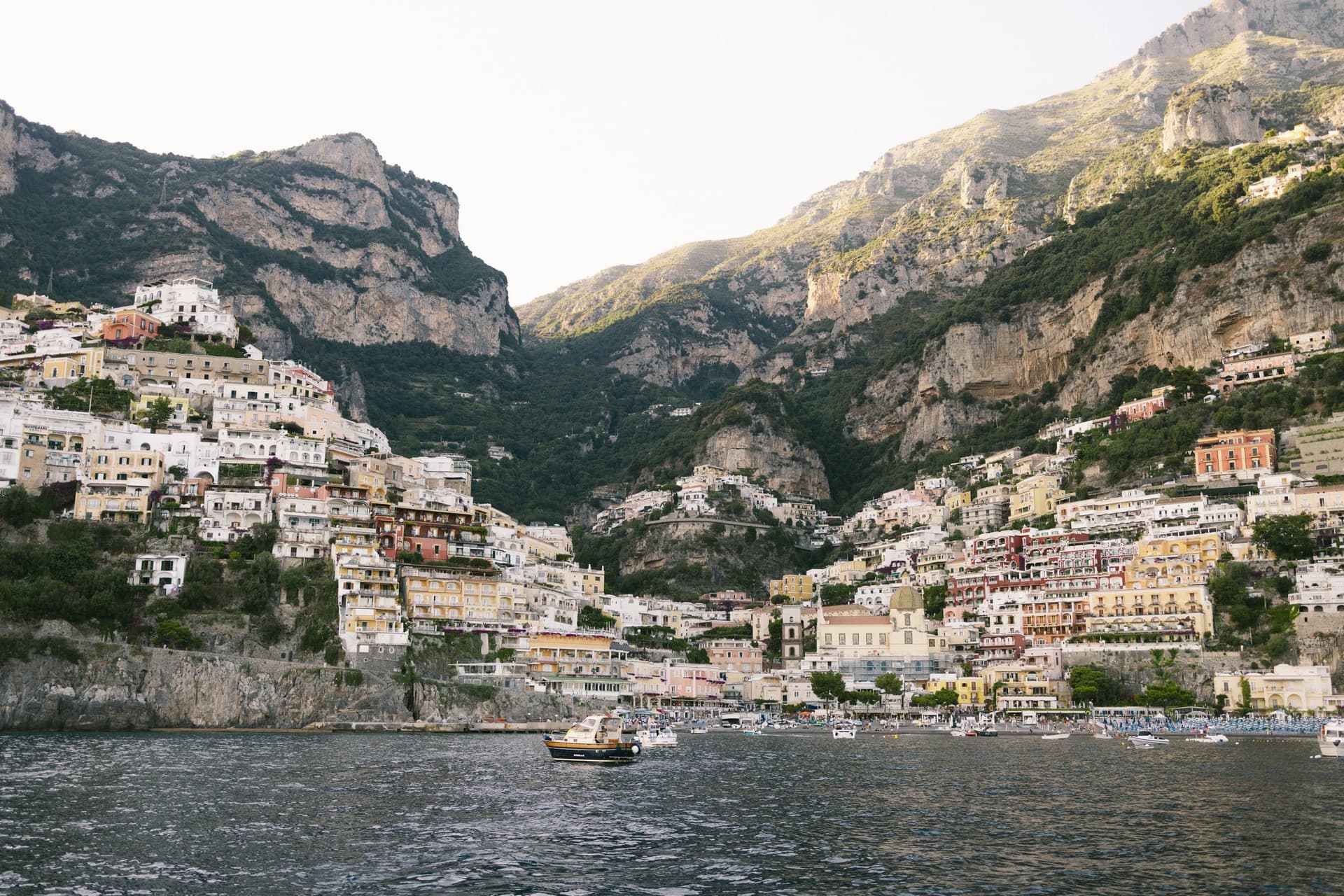
Deciding what to do in Amalfi Coast towns mostly means choosing between them. The things to do in Positano, Amalfi and Ravello fit into the end of a walking day, as all three sit on the paths. The walking stages pass through these seven.
Things to Do on Foot
The paths are free, and they stay open all year apart from short closures after landslides. These three are the walks worth a morning of their own, and each one ends in a town with lunch, a bus and something else to see. Walk them in the morning, when the steps are still in shade, and you have the afternoon free for the sights in the towns and the sea.
1. Walk the Path of the Gods
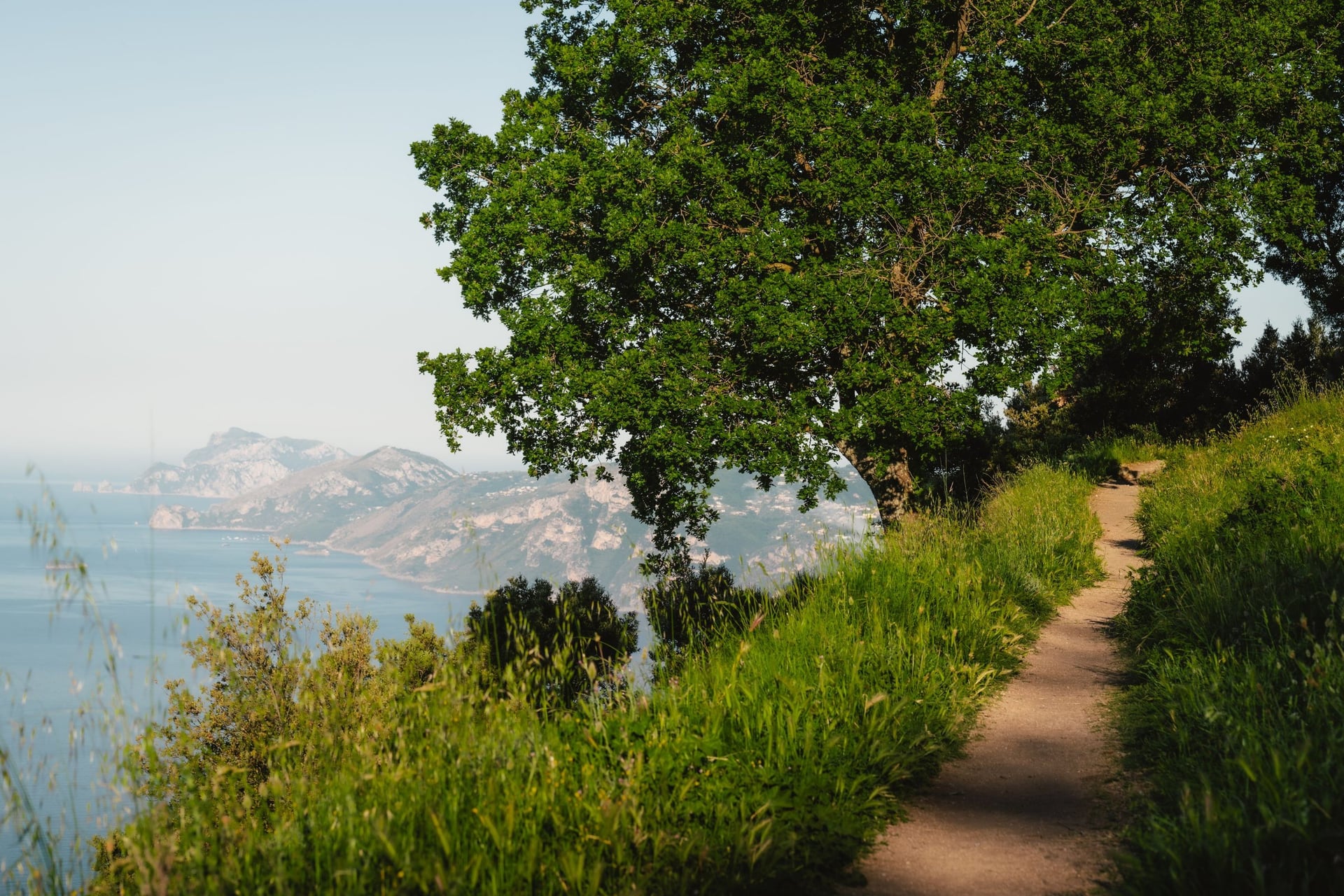
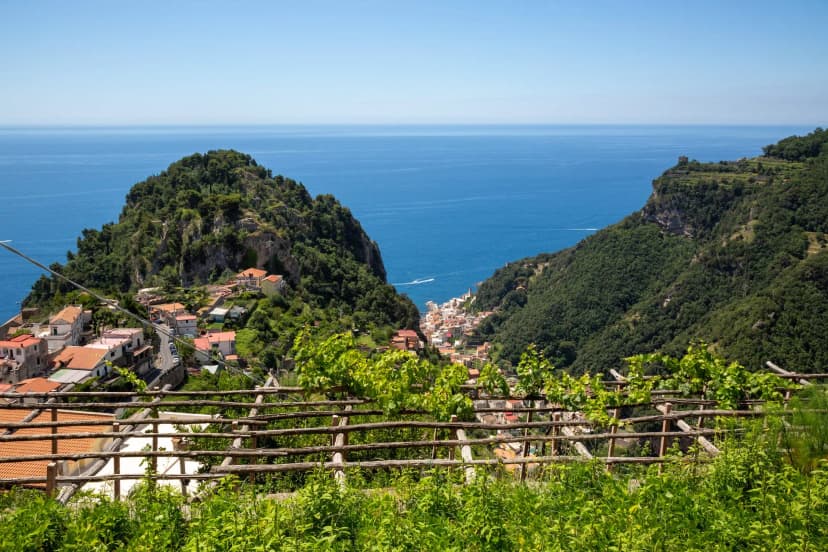
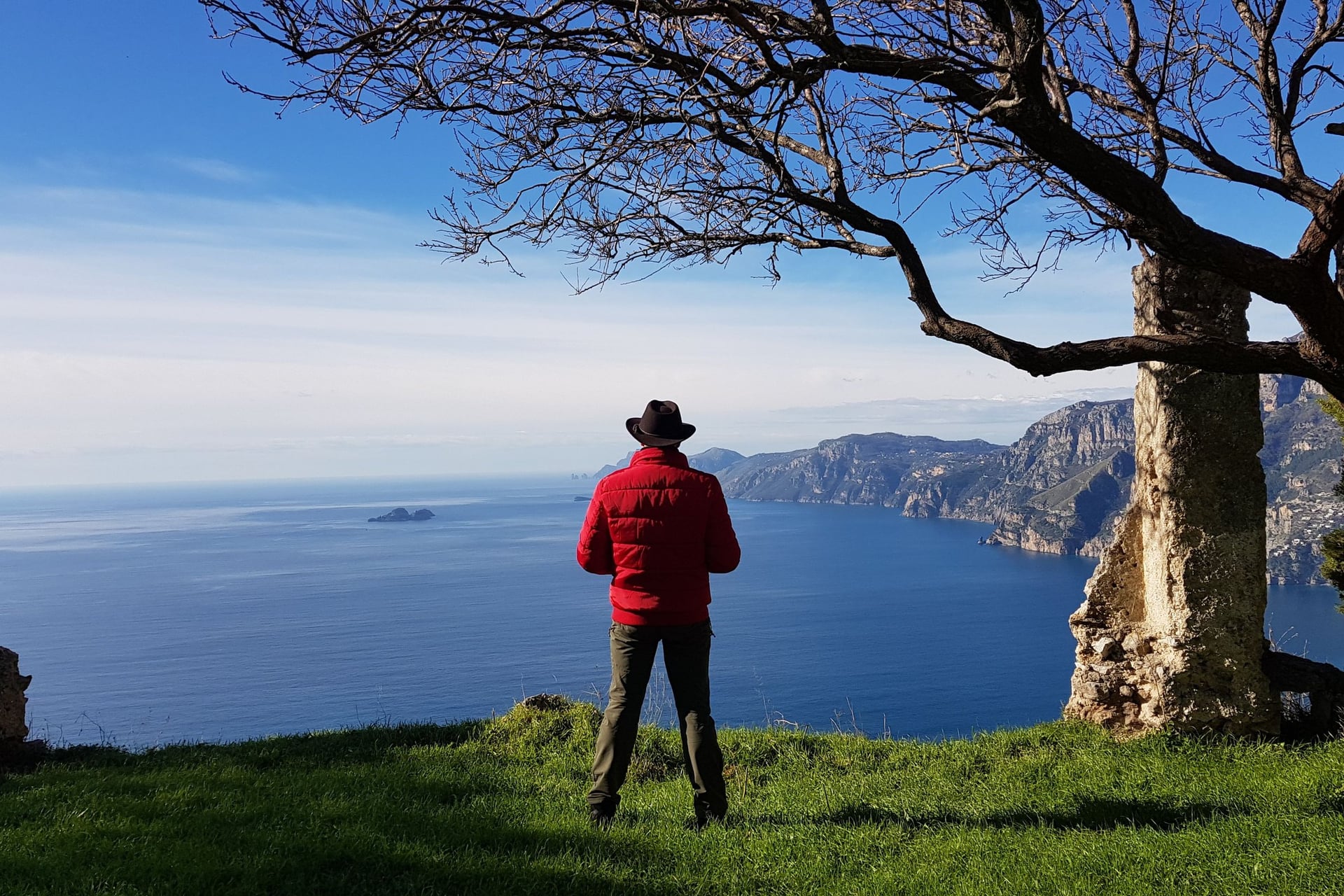
The Path of the Gods runs 5.3 km along the cliffs from Bomerano, above Agerola, to Nocelle, above Positano. It takes 2 to 3 hours, and walked in that direction it is mostly downhill, with Positano and Capri ahead of you the whole way.
A bus takes you up from Amalfi to Bomerano. At Nocelle you can take the small bus down to Positano or walk the 1,700 steps. The path is free, and no permit or booking is needed in 2026. Start early in summer, as there is little shade.
2. Walk Up the Valley of the Mills
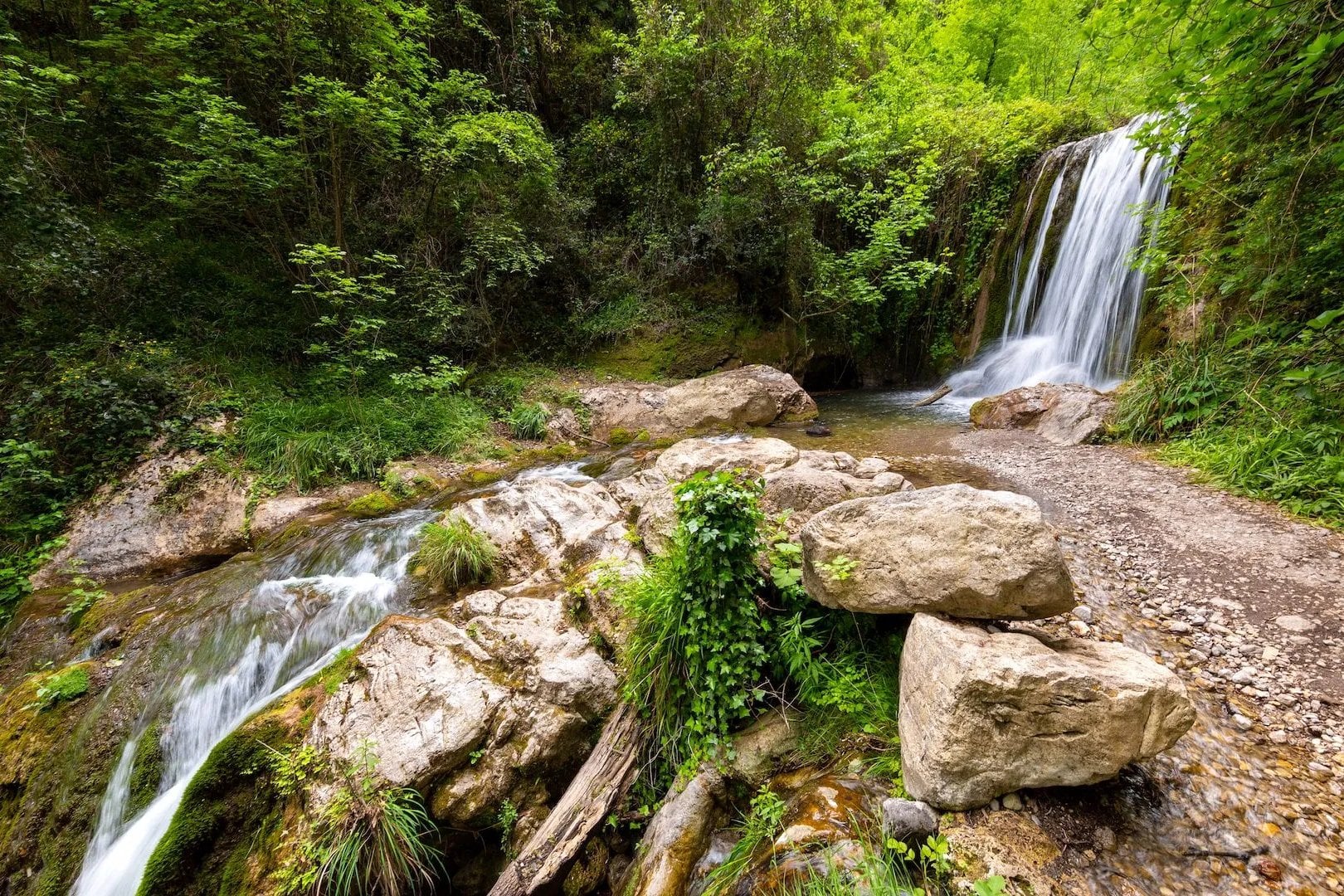
Behind Amalfi, the Valle dei Mulini climbs past the ruins of the paper mills that made the town rich. The Museo della Carta has been in one of the old mills since 1969, and it shows how the paper was made by hand. It is about 15 minutes on foot from the harbour, and entry costs €4.50, or €7 with a guided visit.
Above the mills, CAI path 325 follows the stream for 3.2 km into the Valle delle Ferriere, a nature reserve of 455 ha with waterfalls and old ironworks. Visits to the reserve have to be booked in advance with the Comune di Scala, as the ticket is not sold at the gate.
3. Climb the Steps From Atrani to Ravello
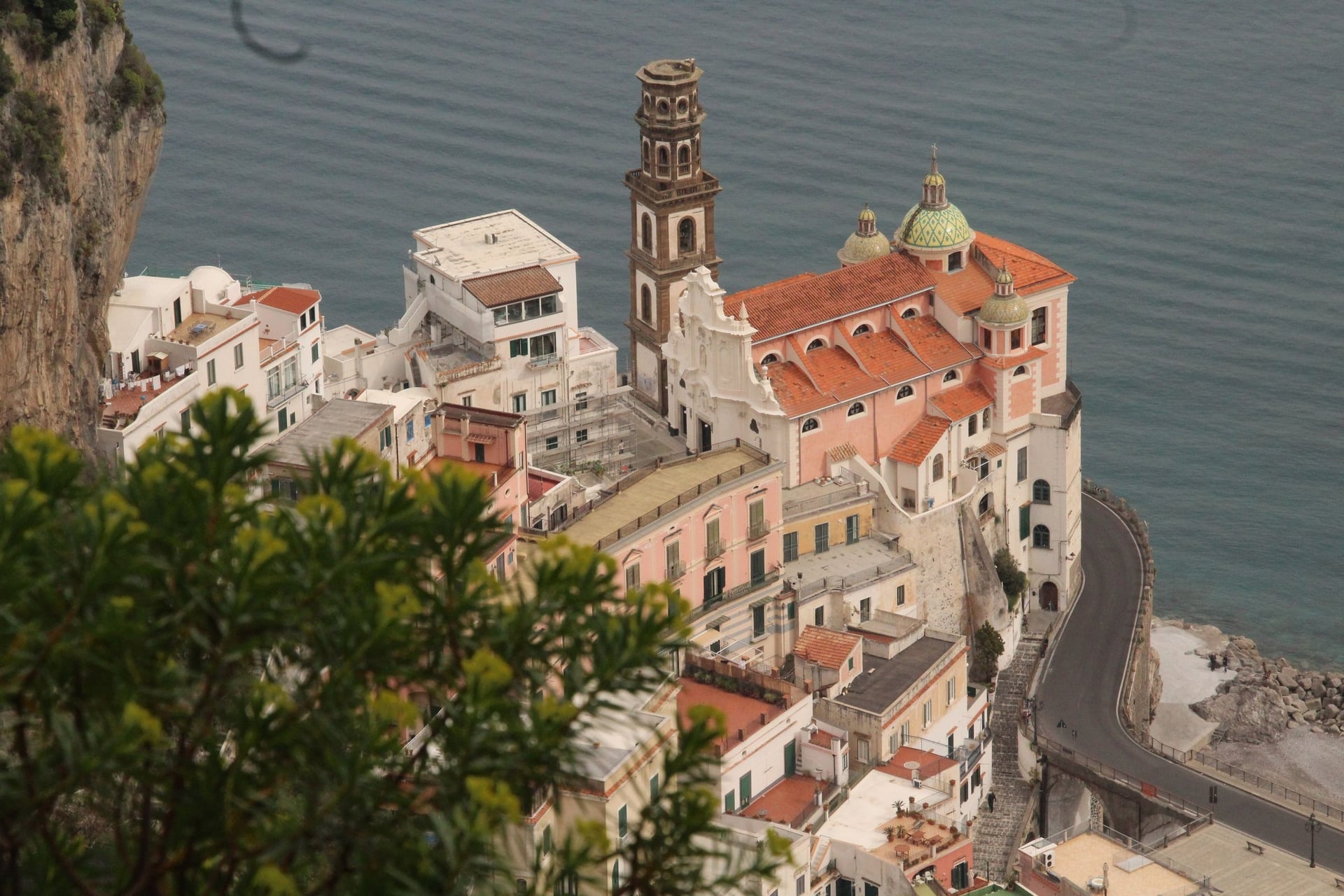
Most visitors go up to Ravello on the bus. CAI path 315 climbs there from Atrani on stone steps, through the hamlets of Castiglione and Torello, past lemon terraces and houses that have no road. It is the old way up, about 370 m of climbing.
Start from Atrani's little square, a 10-minute walk east of Amalfi along the coast. Walk it in the morning, before the sun reaches the steps, and you arrive in Ravello in time to see the villas before the tour groups. Take the bus back down.
Sights in the Towns
Each of these takes an hour or two, so two fit into an afternoon.
1. Amalfi Cathedral and the Cloister of Paradise
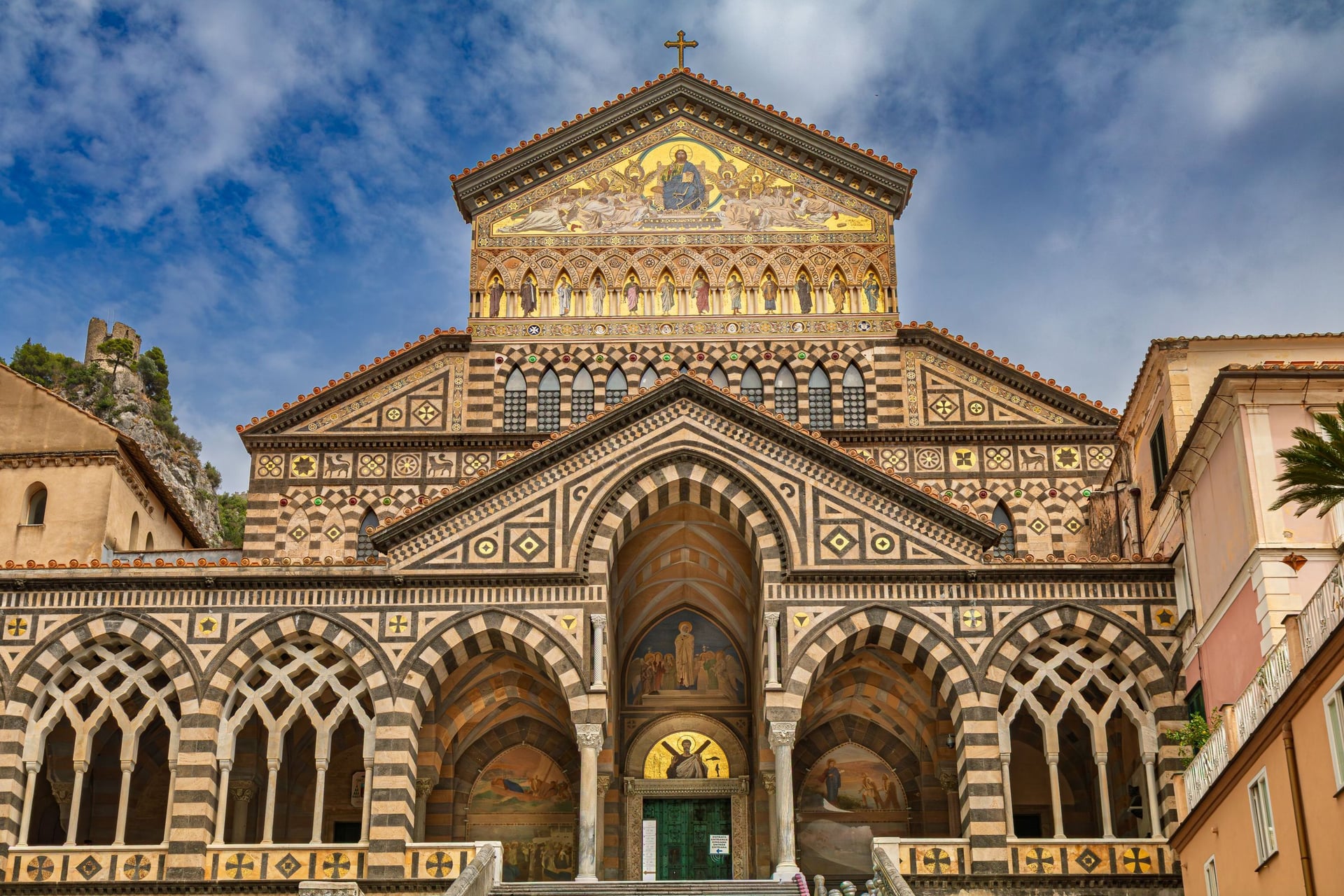
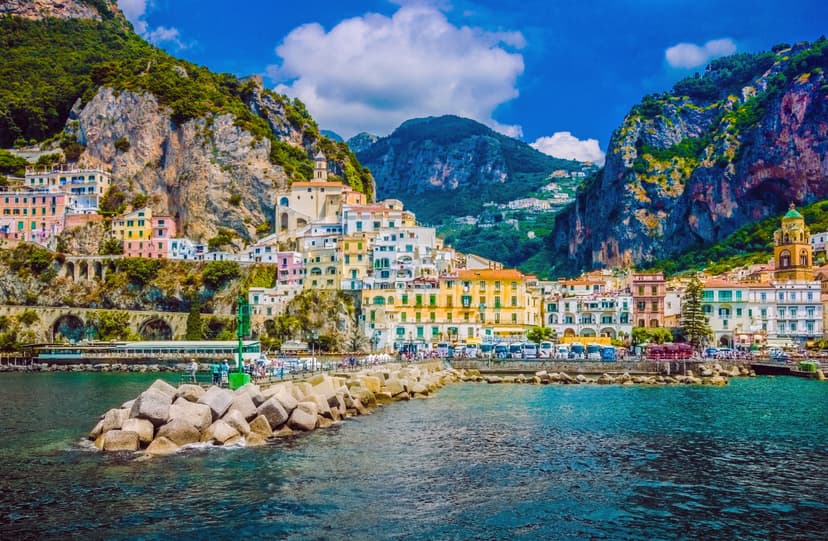
The cathedral of Sant'Andrea stands at the top of 62 steps built in 1203, above Piazza Duomo. Its striped facade was rebuilt in the 19th century in the style of the original, and the crypt holds the relics of Saint Andrew, brought from Constantinople in 1208.
By day, the visit starts in the Cloister of Paradise, built in 1266-68 as a cemetery for the nobles of Amalfi, with 120 slim columns. One ticket of about €4 covers the cloister, the museum and the crypt. Entry to the cathedral itself is free at Mass times, early in the morning and after 17:00.
2. The Gardens of Villa Rufolo
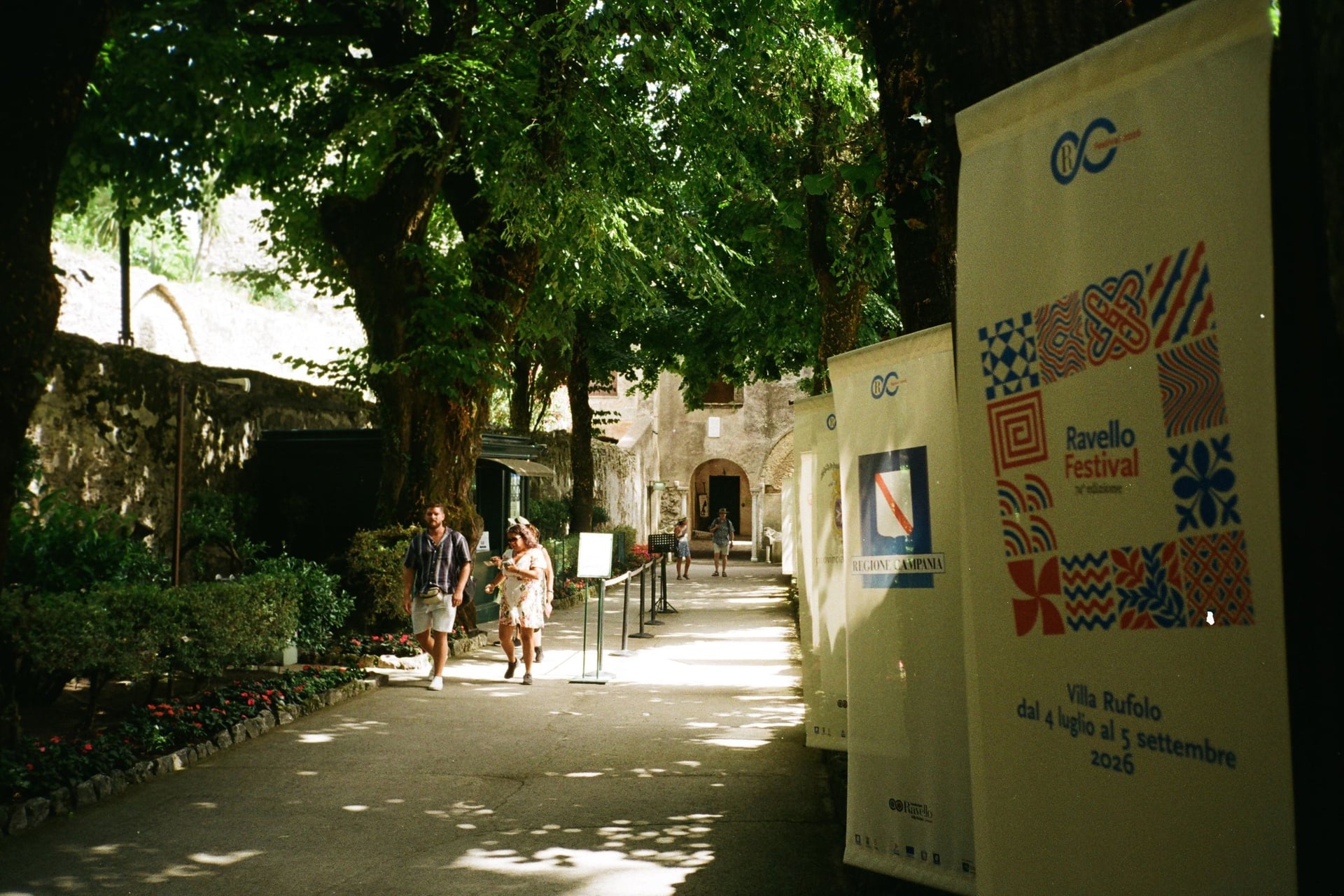
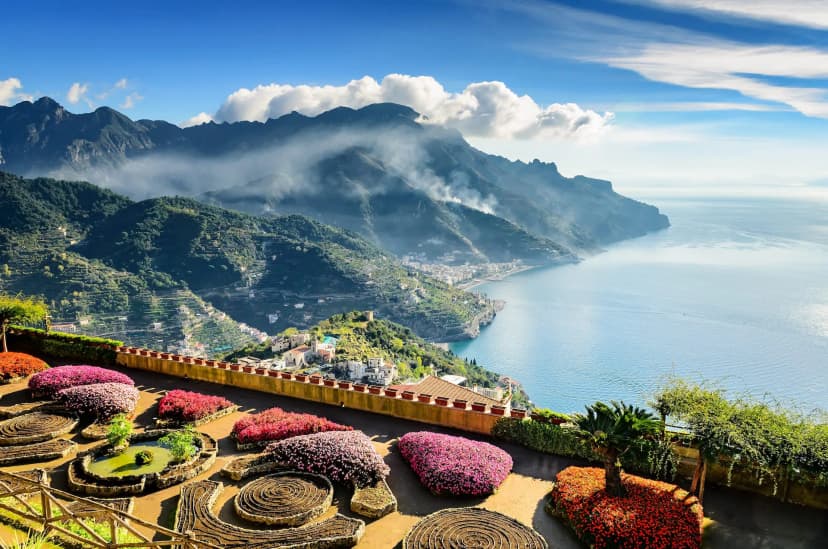
Villa Rufolo, in the middle of Ravello, was built by a merchant family in the 13th century. Its lower garden is a terrace of flower beds above the sea, and it costs €8 to visit. The things to do in Ravello mostly come down to its two villas, and this is the first you reach from the bus.
In summer, the Ravello Festival puts an orchestra on a stage over the cliff, on the villa's belvedere. In 2026 the Ravello Festival runs from 4 July to 5 September, and concert tickets sell out weeks ahead.
3. The Terrace of Infinity at Villa Cimbrone
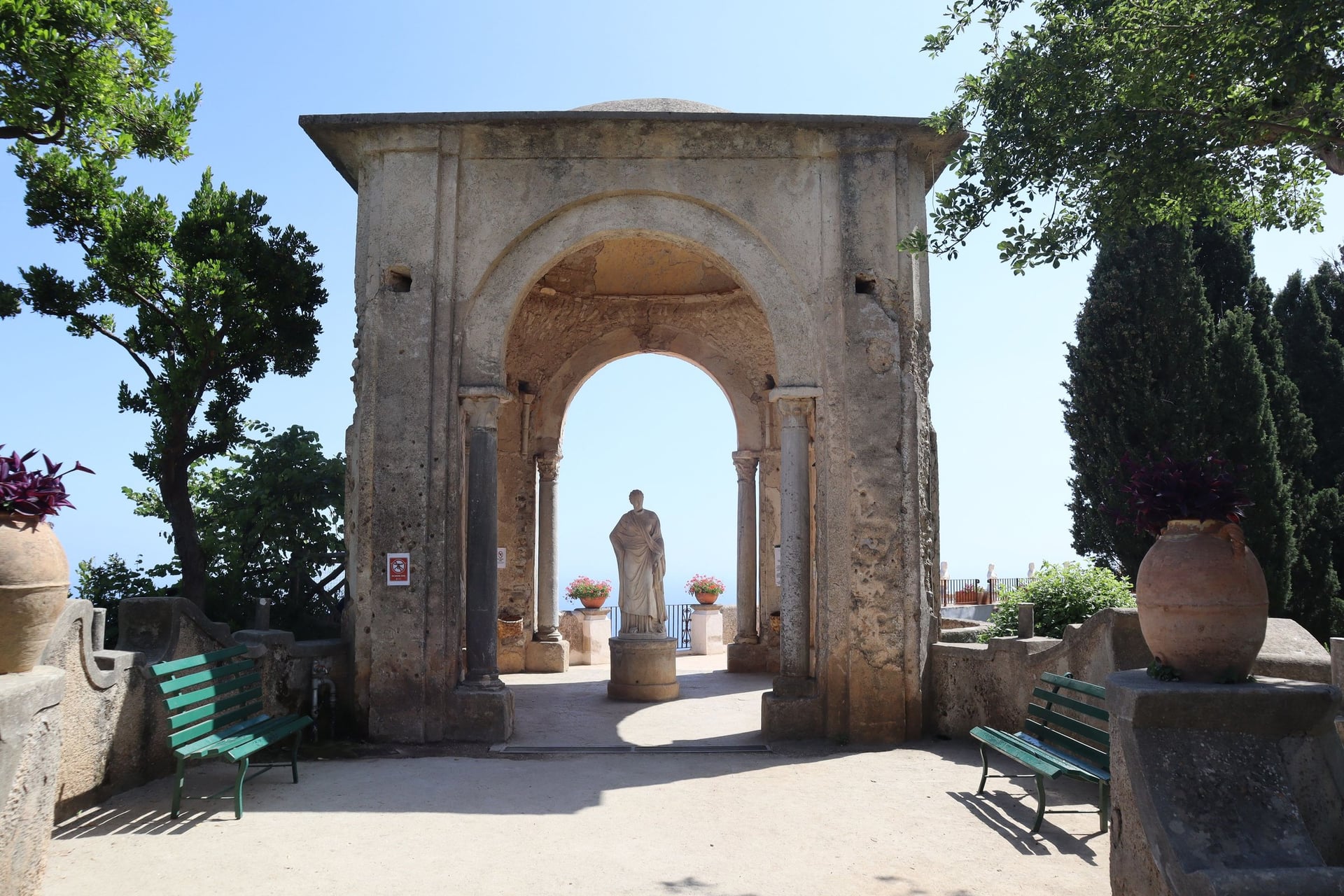
Villa Cimbrone is a short walk beyond Villa Rufolo, at the end of a lane of steps. Its gardens are open from 9:00 to 19:00 and cost €10. A long avenue runs through them to a small temple with a statue of Ceres.
Past the temple is the Terrace of Infinity, a balcony of marble busts on the cliff edge. It is the best view on the whole coast, straight down to Minori and Maiori and across the Gulf of Salerno.
4. A Morning in Positano
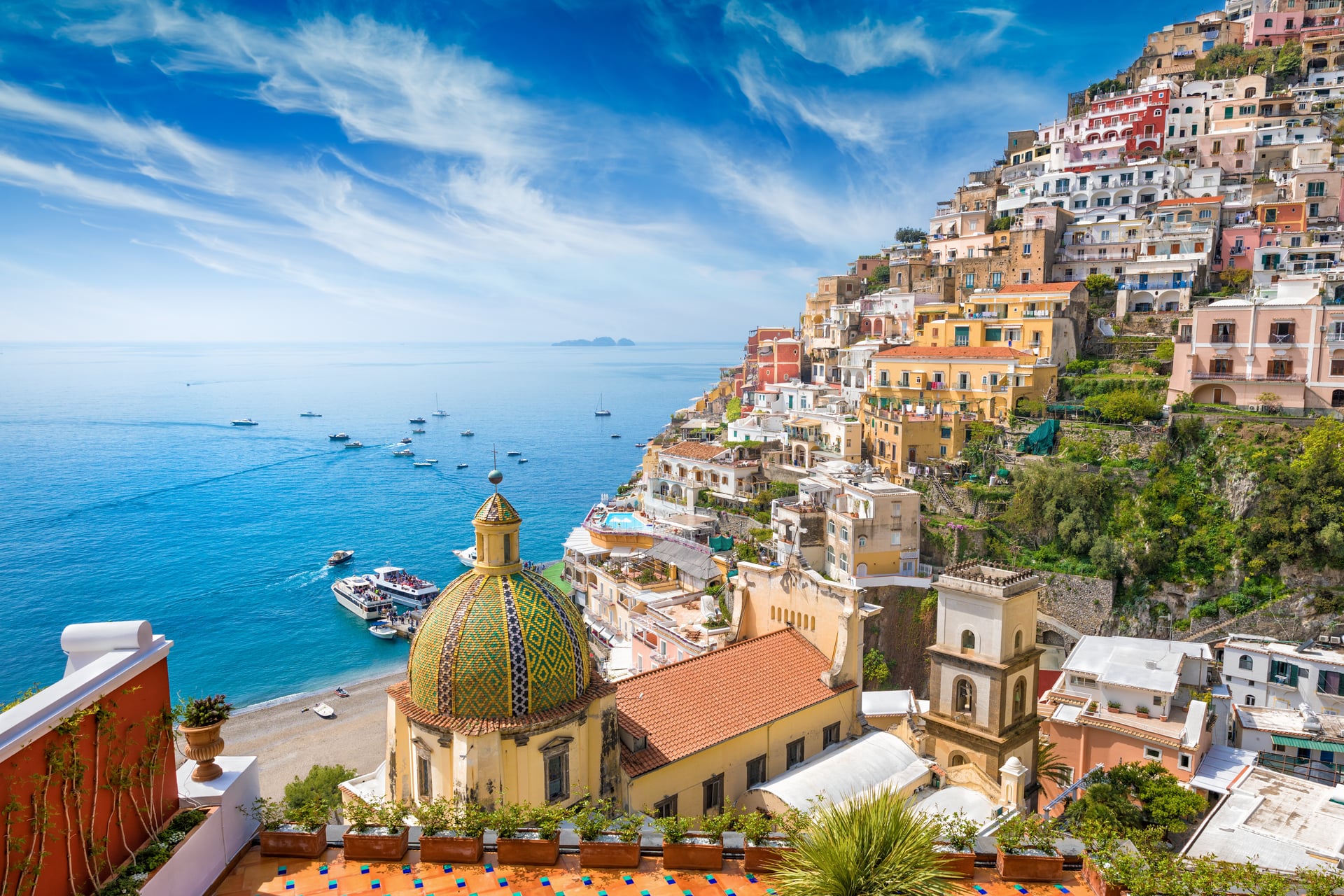
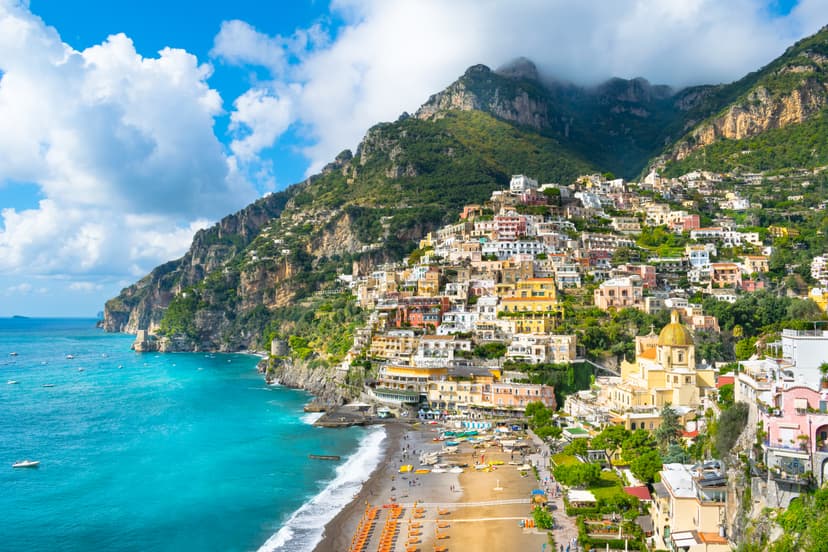
Positano is the busiest town on the coast, so plan what to do in Positano for the early morning. The church of Santa Maria Assunta, with its majolica-tiled dome, holds a Byzantine icon of the Black Madonna, and it is at the foot of the town next to Spiaggia Grande.
From the beach, the Via Positanesi d'America, a path cut into the cliff, leads in about 10 minutes to Fornillo beach. Fornillo is quieter than the main beach, and it is where to swim. By noon, the lanes up from Spiaggia Grande are full.
On and By the Water
From the water, you see the cliffs that the paths run along. The Travelmar ferry between Amalfi and Positano now runs all year, and the private boats and the grotto boats work mainly in summer.
1. Swim Below the Bridge at the Fiordo di Furore
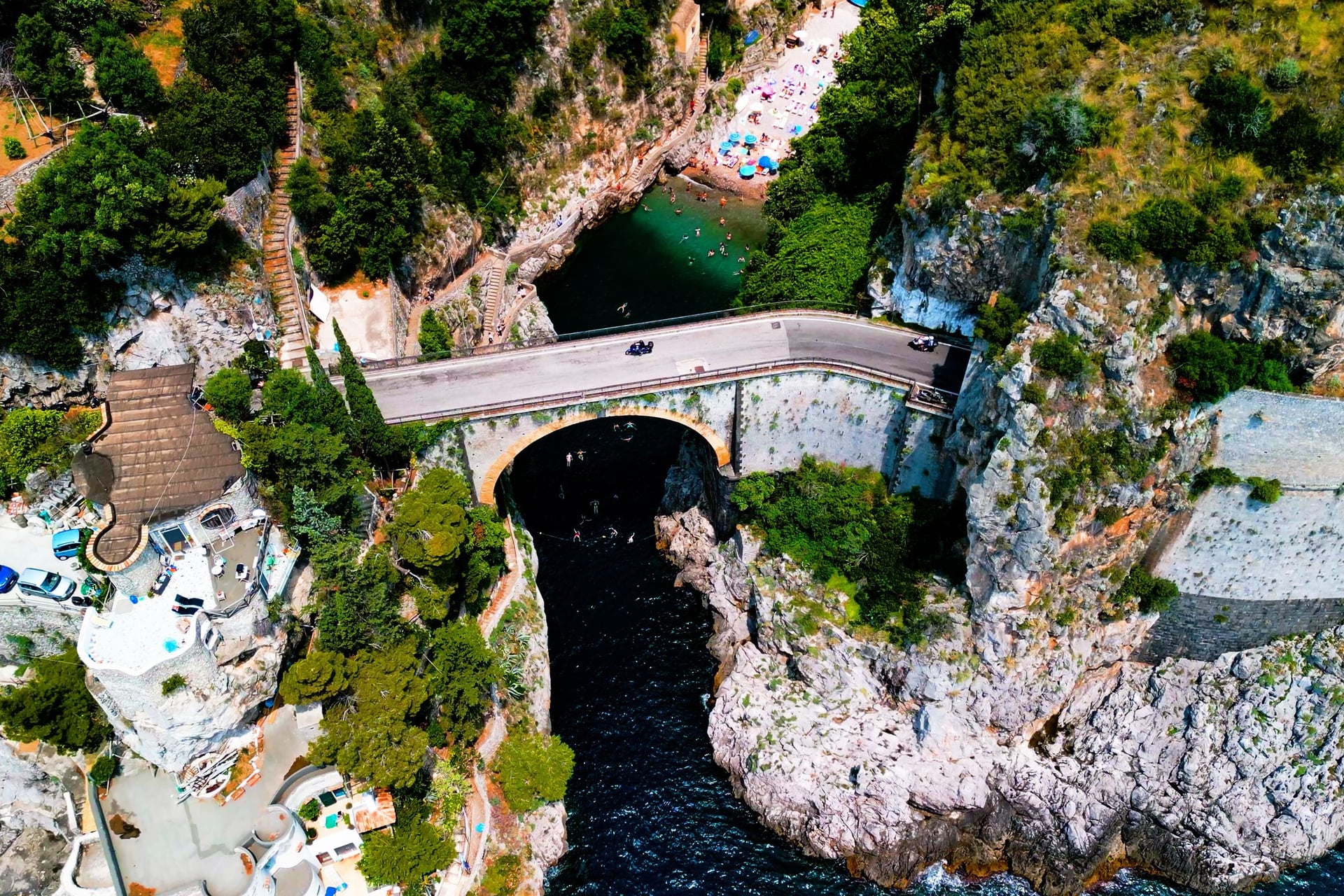
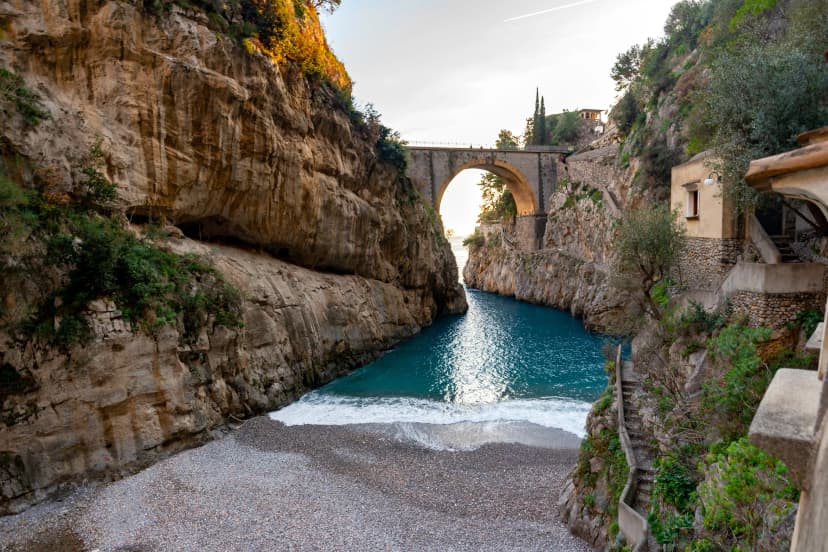
A narrow gorge cuts into the cliff between Praiano and Conca dei Marini: this is the Fiordo di Furore. The coast road crosses it on a high arched bridge, and a pebble beach about 25 m long lies at the bottom, beside a few old fishermen's houses.
About 200 steps lead down from the SITA bus stop on the bridge. Rockfalls closed the beach from 2017 to July 2020, so check that it is open before you go. The water in the gorge is calm and deep.
2. Take a Boat Into the Emerald Grotto
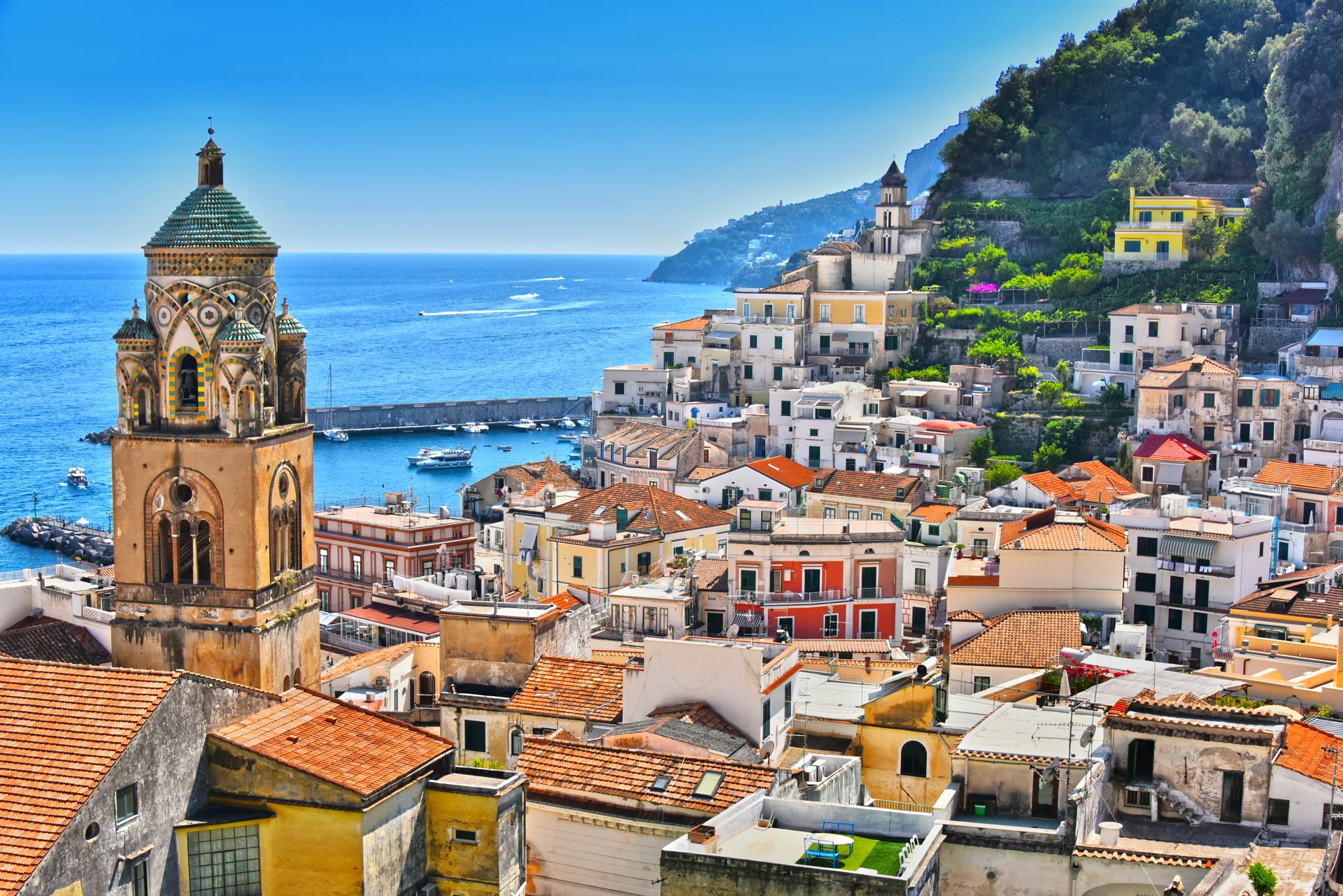
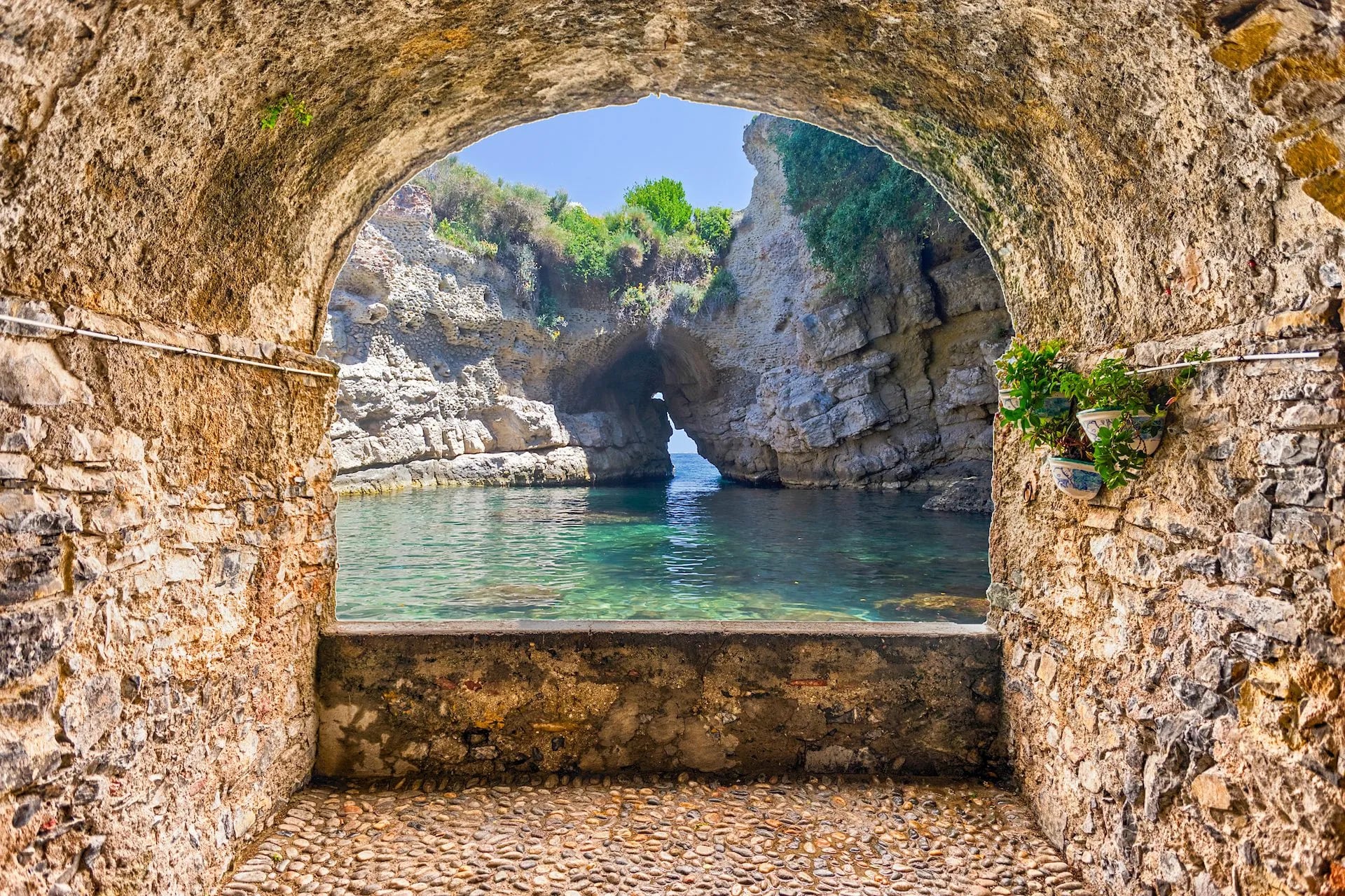
At Conca dei Marini, a fisherman found a sea cave in 1932 that is now called the Emerald Grotto. Light comes in under the water and turns it green, and rowing boats take you round the stalactites inside.
Boats leave from Amalfi's Molo Pennello and cost €10 return. The entry, about €7 with the rowing boat, is paid at the cave, which opens from about 9:00 to 16:00 when the sea allows. You can also reach it by bus and lift, from the coast road above.
3. See the Coast From a Ferry or Boat
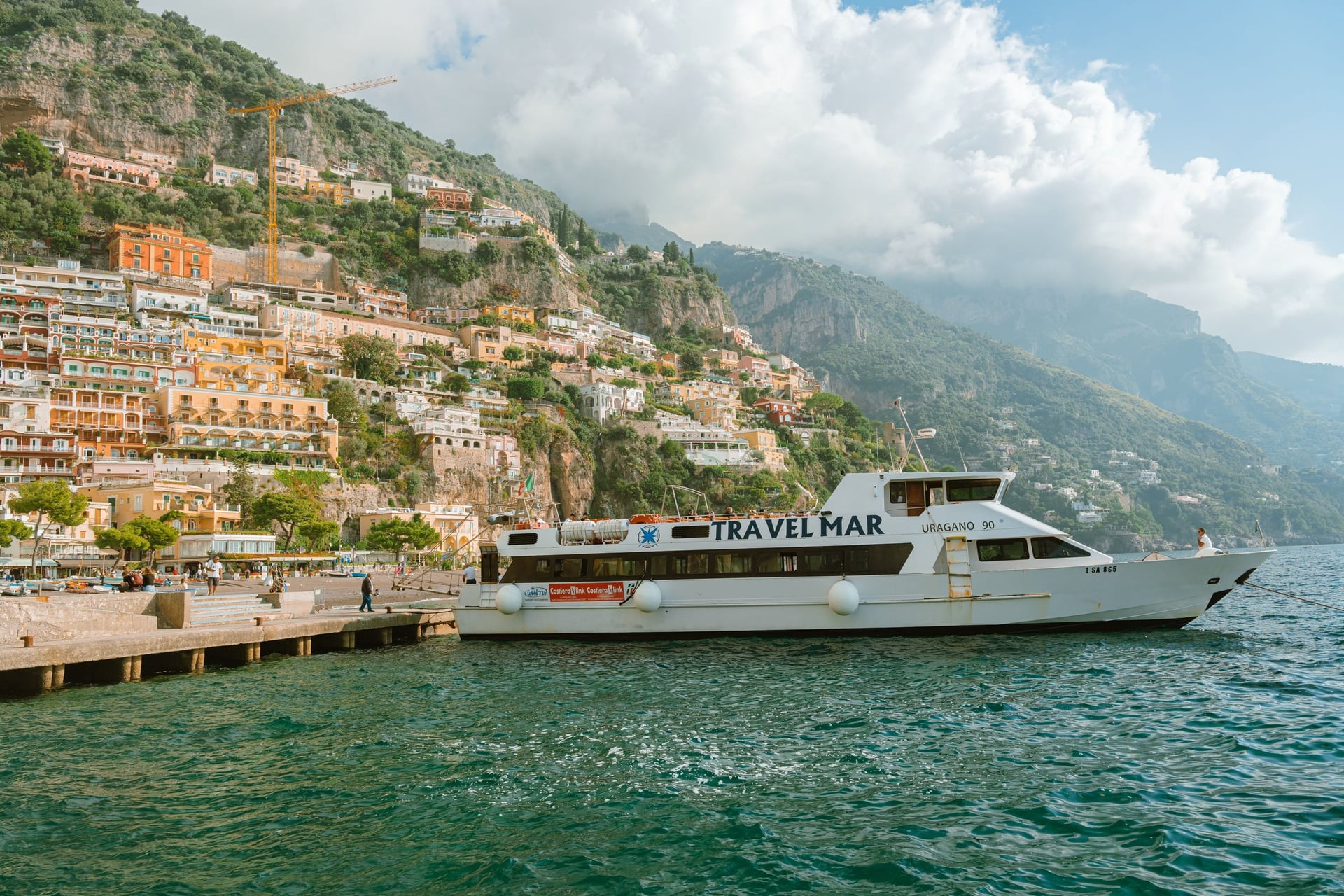
Travelmar's ferry is the cheapest boat trip on the coast. It runs from Amalfi to Positano in about 25 minutes for €10, past Praiano and the Fiordo di Furore, and in summer it is quicker than the bus on the slow coast road.
For a whole day on the water, an Amalfi Coast boat tour on a private boat leaves from Amalfi or Positano, with stops to swim in coves you cannot reach from land. Book the boat for a calm morning, as the sea usually picks up in the afternoon.
4. Pick a Beach: Maiori, Atrani or Marina di Praia
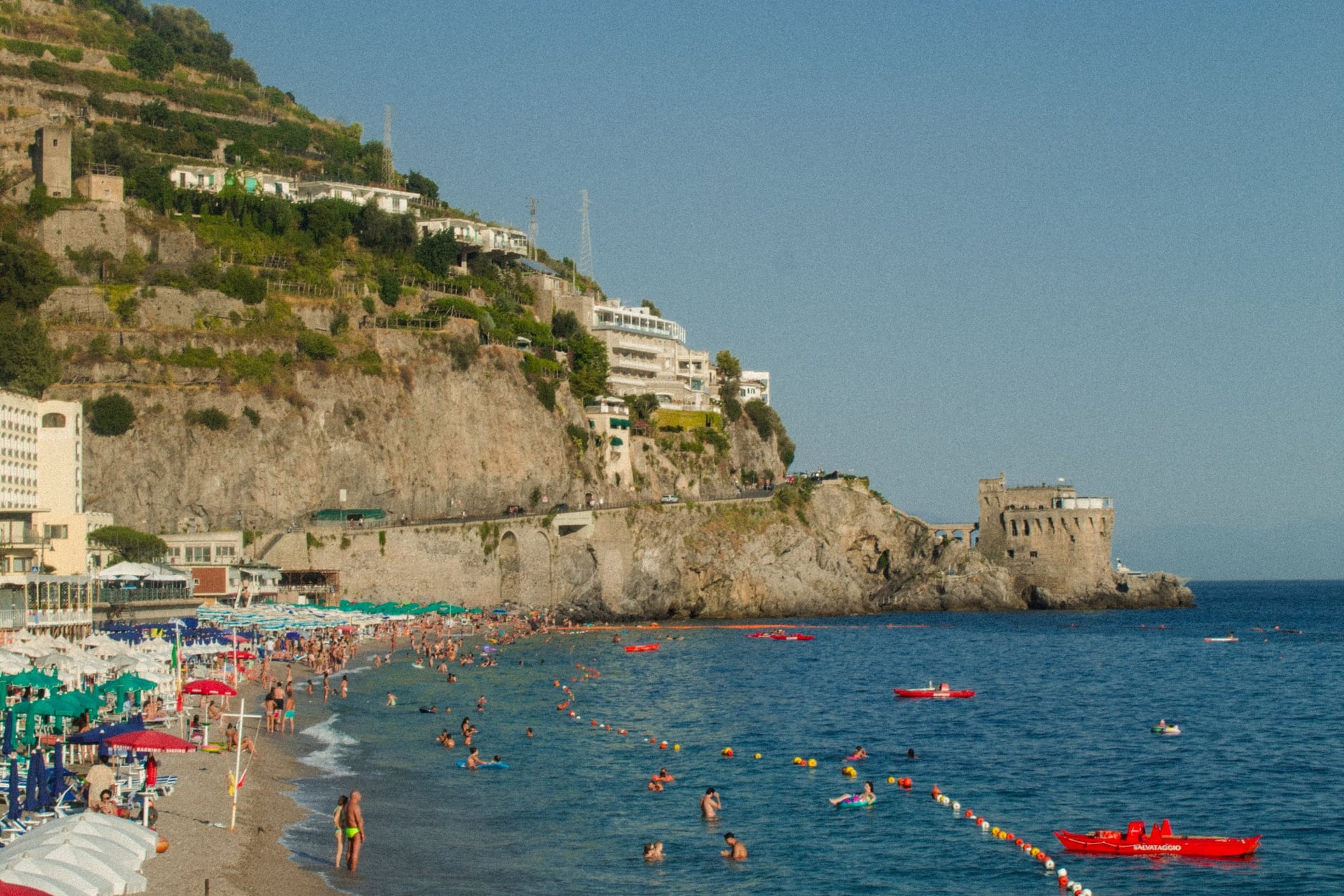
Most Amalfi Coast beaches are small and pebbly, with private lidos that hire out sunbeds and a free public strip, usually at one end. Maiori is the exception: its beach is about 1 km of sand in front of the town, the longest on the coast, and good for families.
Atrani's small beach is a short walk from Amalfi and quieter than Amalfi's own. Marina di Praia, below Praiano, is a pebble cove between cliffs with a few fishing boats and a couple of restaurants. Go in the morning for a place on the free strip, as it fills up in summer.
Food, Shopping and Evenings
These are for the end of the day, after the walking and the swimming.
1. Visit a Lemon Terrace and Taste Limoncello
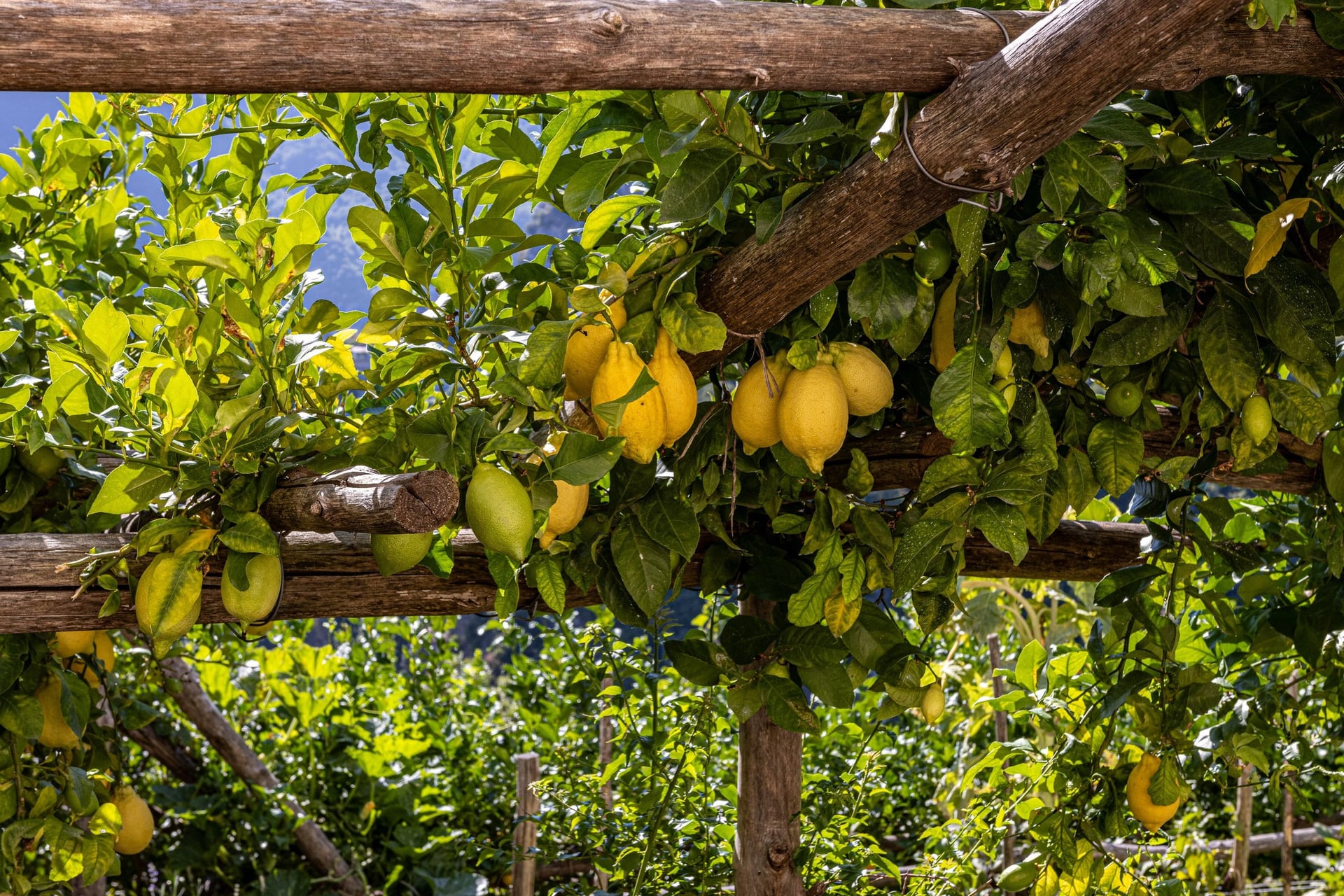
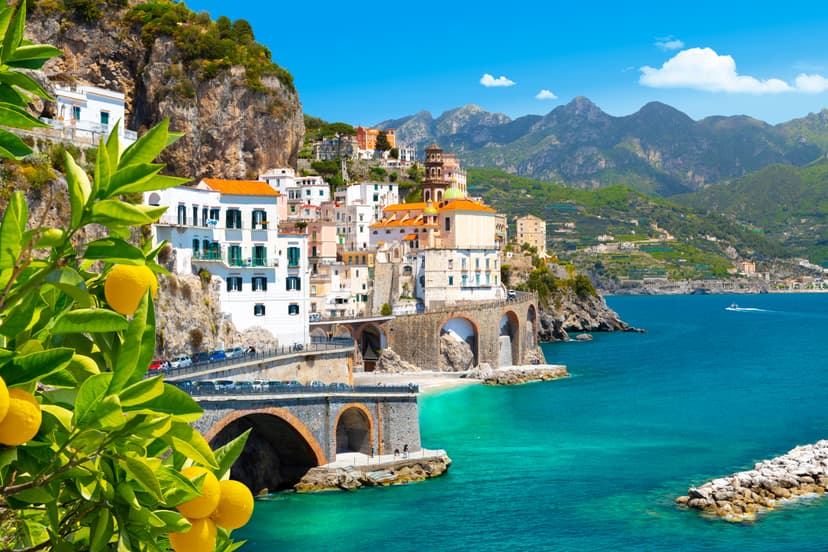
The Amalfi lemon, the Sfusato Amalfitano, is long and pointed, with a thick, sweet peel. It has been protected as the Limone Costa d'Amalfi since 2001, and the rules say it must grow under pergolas of wooden poles, usually chestnut, at least 1.8 m high.
Several family farms around Amalfi, Minori and Maiori open their terraces for tours, with a limoncello tasting at the end, and some run cooking classes. The Path of the Lemons from Maiori to Minori walks you through the same groves in 1 to 2 hours.
2. Eat Anchovies in Cetara
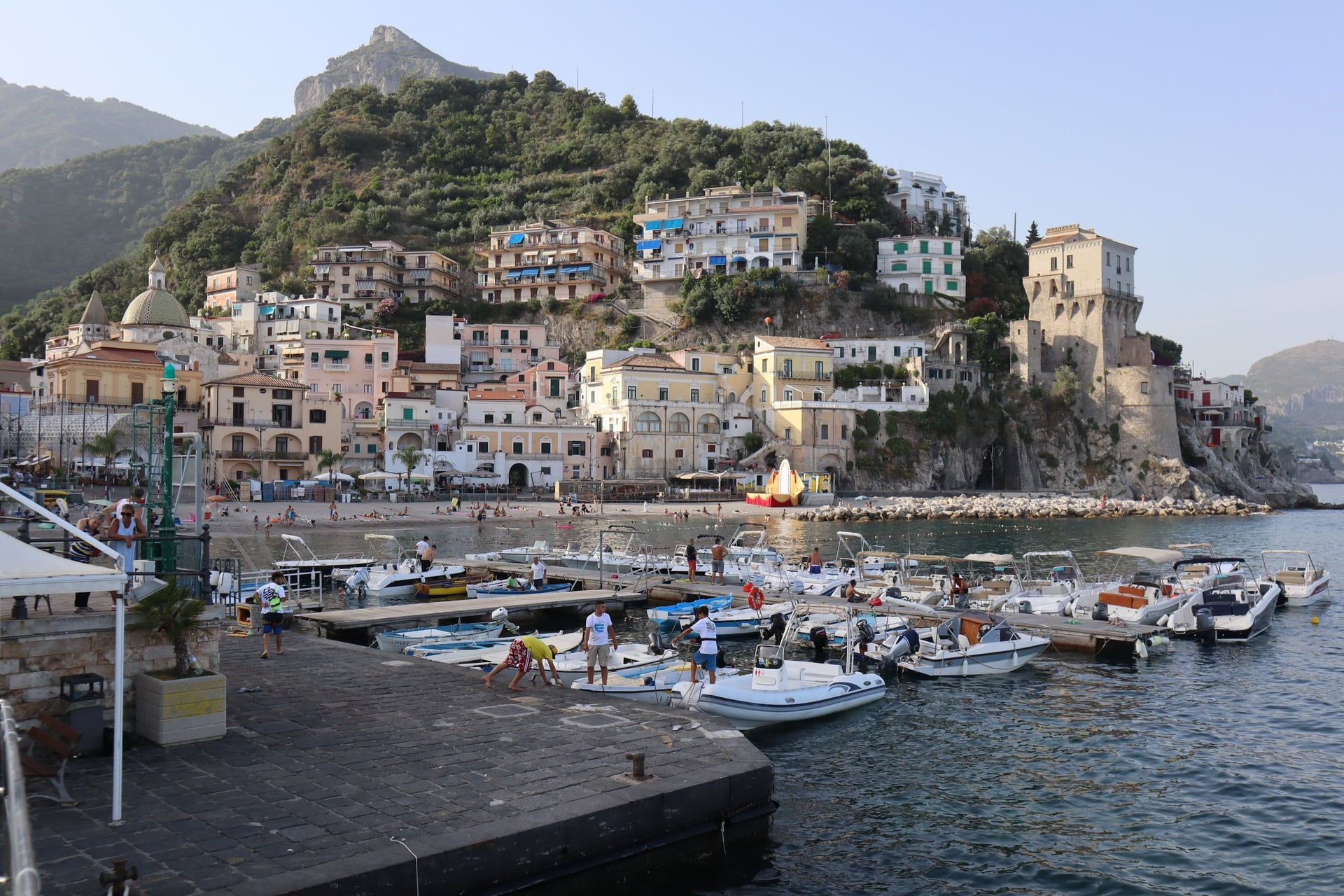
Cetara is a fishing village at the eastern end of the coast, with few hotels and one of Italy's largest bluefin tuna fleets. The Torre Vicereale, a watchtower, stands over its harbour. Its colatura di alici, an amber anchovy sauce made in wooden barrels, has had DOP protection since 2020.
The dish to order is spaghetti with colatura, garlic and parsley, in one of the restaurants by the harbour. Cetara is the best place on the coast for fish, and it is on the SITA bus from Amalfi to Salerno.
3. Shop for Ceramics in Vietri sul Mare
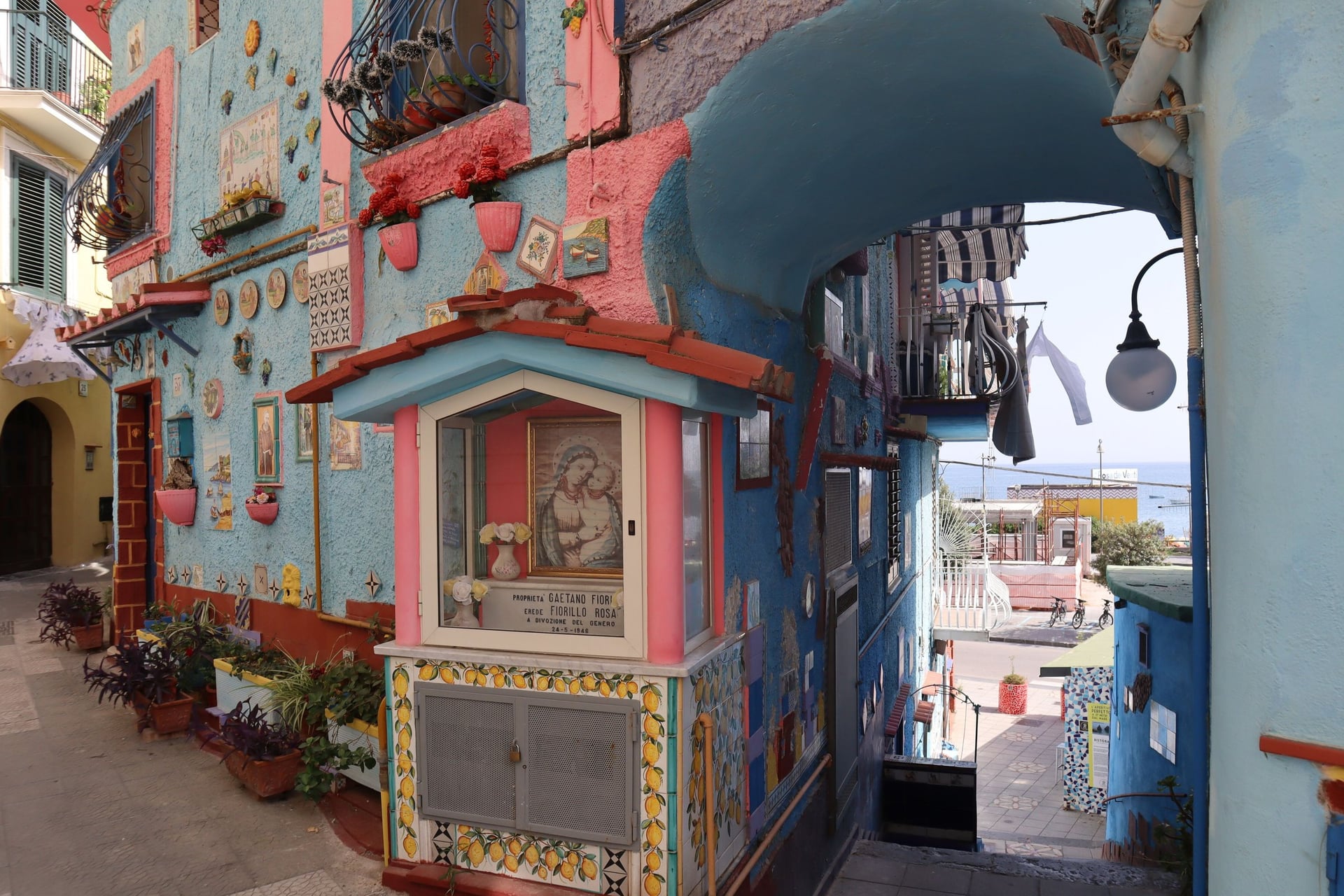
Vietri sul Mare, the last town before Salerno, has made ceramics for centuries. Its lanes are lined with workshops and tiled walls, and the plates, tiles and lemon jugs sold all along the coast mostly come from here.
The Solimene factory, finished in 1954 to a design by Paolo Soleri, has a facade built of ceramic pots. Above the town in Raito, the Museo della Ceramica at Villa Guariglia is free, Tuesday to Sunday from 9:00 to 15:00. Buy from the workshops rather than the souvenir shops, as most ship home.
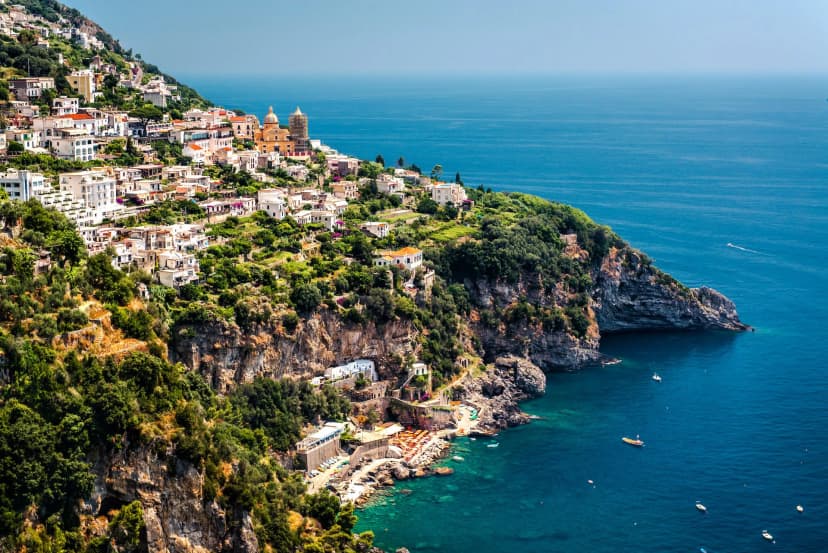
4. Watch the Sunset From Praiano
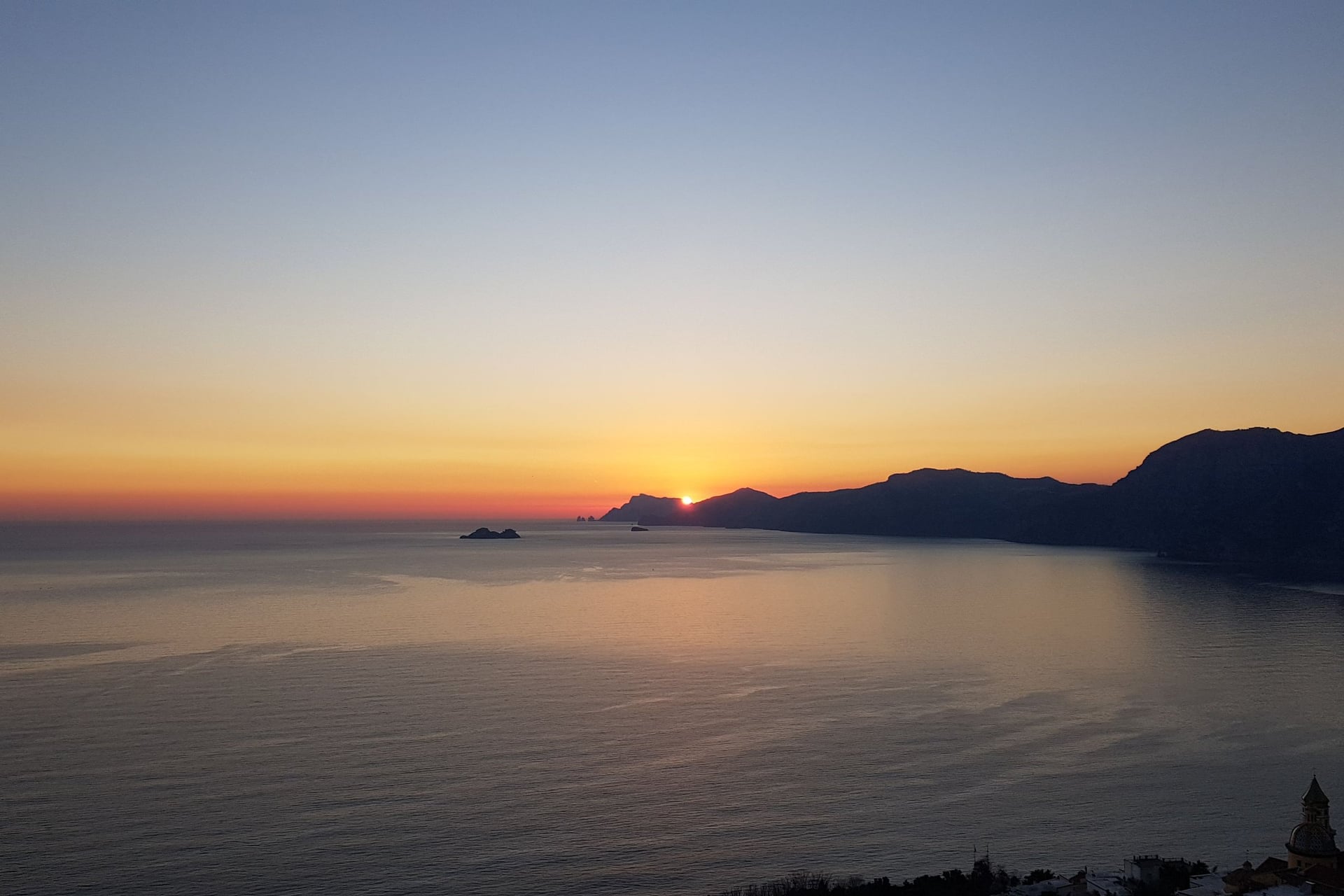
Praiano looks west along the coast, so its western end has the full sunset over the sea. Its terraces face Positano and the Sorrento peninsula, with Capri beyond, and the sun goes down behind them in summer.
Take a drink to the square by San Gennaro, a church of 1589 with a majolica dome, or book a table on a terrace. It is the quietest of the main towns in the evening, and it is also where the walking weeks stay before the Path of the Gods.
Walking Holidays That Take in the List
Our self-guided walking holidays link the towns on foot, and each walking day ends early enough for the things to do above. Each line gives the days that pass the entries above:
5 days, Best of Amalfi Coast: the cathedral on day 1, the Valley of the Mills on day 2 and the Path of the Gods to Positano on day 4
8 days, Amalfi Coast and Capri Island: adds the Valle delle Ferriere on day 3, a Path of the Gods loop from Praiano on day 5 and Capri on day 7
9 days, Highlights of Campania: four days from Amalfi to Positano, then Capri, Naples, Ischia and Pompeii
7 days, Mountains of Amalfi Coast: Monte San Michele and Monte Tre Calli, with 5,980 m of climbing, for strong walkers
11 days, Amalfi to Sorrento: the same first six days as the 8-day week, then Pompeii on day 8, Punta Campanella on day 9 and Capri on day 10
All five include the hotels, the luggage transfers and the route notes, and they run from April to November. The 11-day walk covers the most of this list, with Amalfi, the Valley of the Mills, the Path of the Gods, Praiano and Positano all on its route.
The walking guide to the Amalfi Coast has every stage of these walking weeks, with distances and climbs.
Getting Between the Sights Without a Car
Amalfi is the hub: SITA buses leave its harbour for Positano, Ravello and Salerno, and the ferries leave its pier. A 24-hour COSTIERASITA ticket costs €10, and buses fill up in summer, so buy tickets before you board, at a tabacchi or the ticket office.
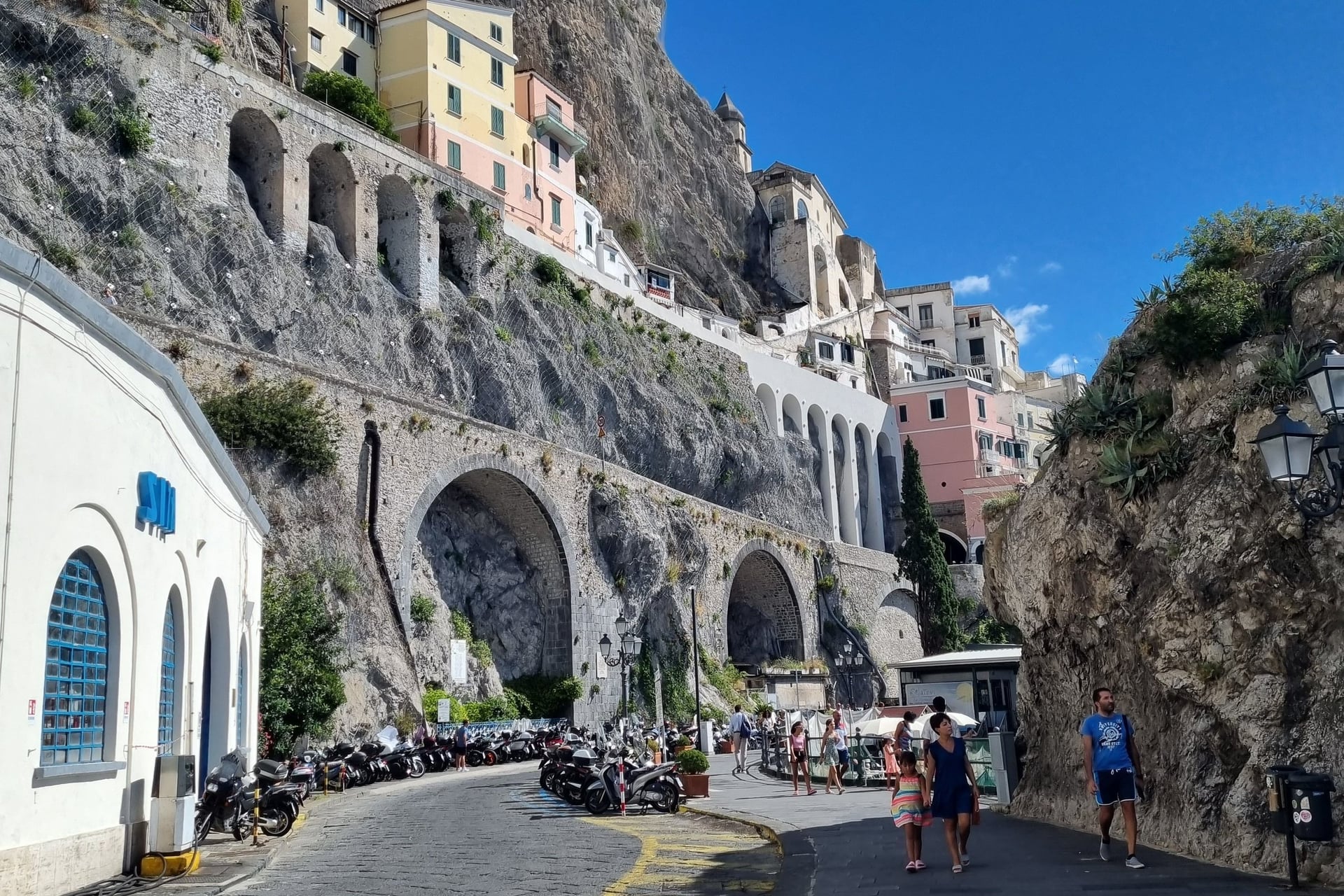
Driving is not worth it. The road is narrow and has no pavement, and from 10:00 to 18:00 in August and September cars can only drive on alternate days by number plate. Some short legs are quicker on foot: Amalfi to Atrani takes 10 minutes along the coast, and the steps are the direct way up to Ravello.
What to Pack
Wear shoes with a good grip, even for sightseeing, as every town is built on stone steps, some worn smooth. Pack water shoes for the pebble beaches, swimwear, and a sun hat, as there is little shade on the paths.
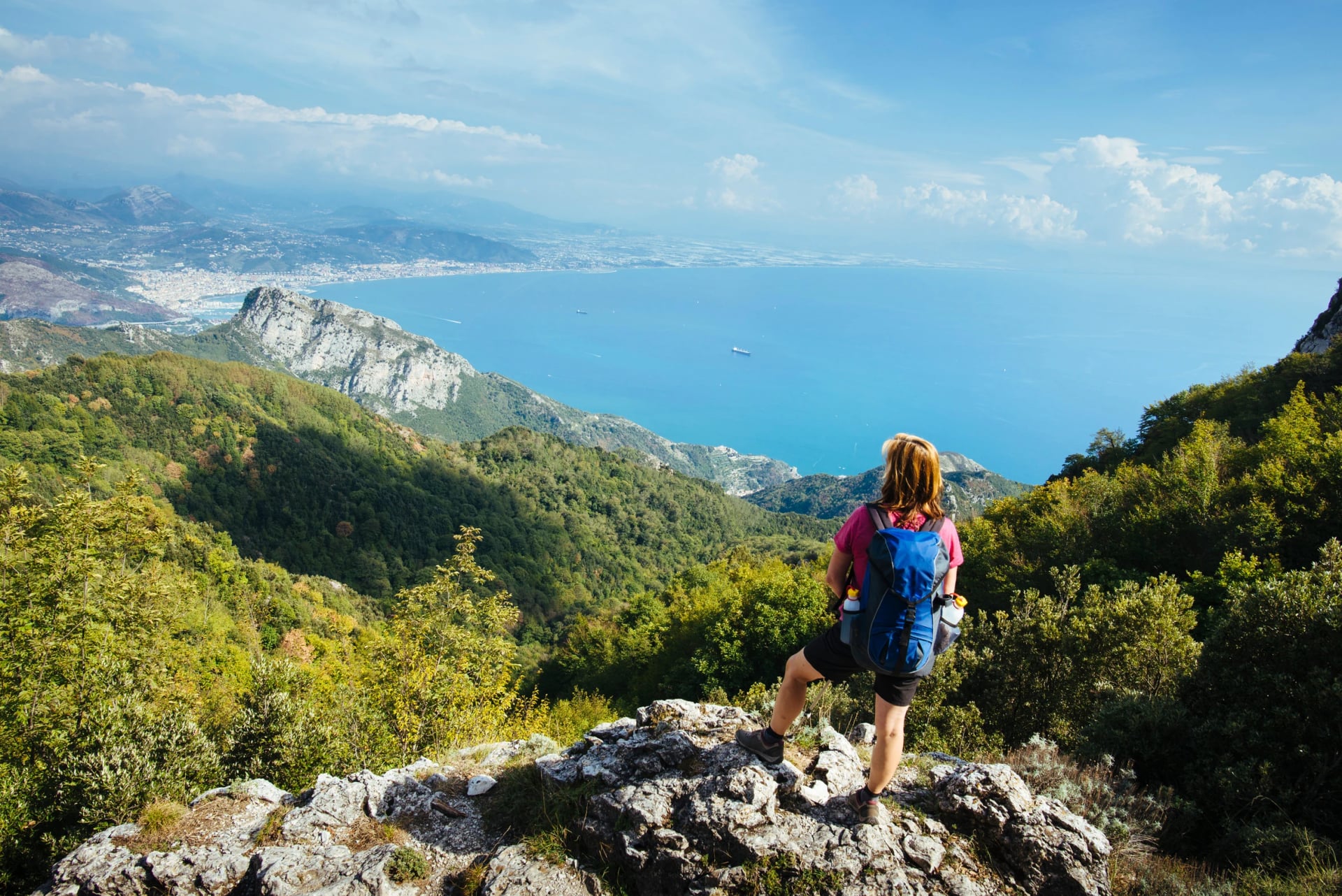
Churches, including Amalfi's cathedral, expect shoulders and knees to be covered, so carry a light scarf or shirt. For the paths, take at least 1.5 litres of water, as there are few places to fill up. Walking poles help on the long descents, above all the steps down to Positano.
Planning Your Days
The things to do on the Amalfi Coast are close together, so you do not need to rush. Walk in the morning, when the paths are cool, and keep the afternoon for a swim, a boat or a villa garden.
Spend at least four days, and base yourself in Amalfi or Praiano for the walks. Leave one day with nothing planned, for the beach or the ferry. The self-guided walking holidays run from April to November.
Frequently Asked Questions
Plan with a hiking expert
Free advice from a team that knows these routes inside out - real people, not a bot

Hassle-Free
We handle itineraries, accommodations, and anything else you prefer not to deal with, so you can enjoy a carefree hike.

Book With Confidence
We are a financially protected company, fully bonded and insured, keeping your money safe and allowing you to travel with confidence.

Tried & Tested Adventures
Only the best hiking adventures in Portugal, cherry-picked by our local team with an in-depth knowledge of the region.

Unbeatable Support
Our 24/7 customer support is where we show our passion, bringing you a better experience by making your well-being our number one priority.